
If you’re thinking about buying a home in Scottsdale, Phoenix, Chandler, Gilbert, Queen Creek, or anywhere in Maricopa County, you’ve likely seen the headlines:
“Arizona is running out of water.”
“Phoenix is facing a water crisis.”
“Developers can’t build homes.”
It’s enough to make any buyer pause—and honestly, it should. Water matters. But most of what’s being shared online only tells part of the story.
The reality is more nuanced. There is both good news and real challenges. And understanding the difference could directly impact where—and how—you choose to buy in Arizona.
The Biggest Misconception About Arizona Water
The most common misunderstanding is this:
People hear “water shortage” and assume homeowners are at risk of losing water access.
That’s not what’s happening.
The real issue is not whether existing residents in cities like Scottsdale, Phoenix, Chandler, Tempe, or Gilbert will have water. The real issue is whether Arizona can continue growing at the same pace while guaranteeing a 100-year water supply for new development.
Those are two completely different conversations—and that’s where most headlines lose context.
The Good News Most Buyers Never Hear
1. Existing Homeowners Are Highly Protected
If you’re buying in an established city, the likelihood of losing water access is extremely low.
Arizona has one of the most advanced water management systems in the Southwest. Cities don’t rely on a single source—they use a diversified portfolio that includes:
- Colorado River water via the Central Arizona Project (CAP)
- Salt and Verde River systems
- Groundwater
- Reclaimed and recycled water
- Stored underground reserves
When shortages occur, cuts historically impact agriculture first—not residential users. That means homeowners in places like Scottsdale, Phoenix, Chandler, and Gilbert are prioritized.
2. Arizona Has Been Planning for This for Decades
Water scarcity isn’t new here—and Arizona hasn’t been ignoring it.
The state has spent decades building long-term systems, including:
- Underground water banking (millions of acre-feet stored)
- Groundwater recharge projects
- Reclaimed water systems
- Strict planning requirements for future supply
- Advanced purification investments
This is not a reactive state. It’s one of the most proactive in the country when it comes to water planning.
3. Established Neighborhoods Are in the Strongest Position
From a real estate perspective, this is one of the most important takeaways.
Established areas tend to have the most secure long-term water outlook because they already have infrastructure, supply allocations, and treatment systems in place.
These include:
- Scottsdale
- Paradise Valley
- Arcadia
- Central Phoenix
- Chandler
- Gilbert
- Tempe
- Ahwatukee
- North Phoenix
- Peoria and Glendale
If you’re looking for stability, these are some of the strongest positions in the Valley.
4. Arizona Is Actively Expanding Water Solutions
Arizona isn’t standing still. The state continues investing in:
- Water recycling and reuse systems
- Advanced purification technology
- Groundwater recharge
- Long-term storage strategies
- Potential desalination partnerships
These are long-term plays—but they matter when evaluating the future of the market.
The Challenges Buyers Should Actually Pay Attention To
1. Water Is Now a Growth Constraint
This is the most important shift happening right now.
Arizona regulators have already slowed or denied some new developments because they couldn’t prove a 100-year water supply.
That means:
- Some projects are delayed
- Some communities will grow more slowly
- Some developments may never happen
Ironically, this can benefit existing homeowners. Less new supply can support property values in established neighborhoods.
2. Water Costs Are Likely Increasing
While access isn’t disappearing, cost is changing.
All of the long-term solutions—recycling, infrastructure, purification—require investment. Over time, those costs will likely show up in utility bills.
Expect gradual increases, not shortages.
3. The Colorado River Still Matters
The Colorado River remains a key piece of Arizona’s water system.
While conditions have improved from historic lows, major reservoirs like Lake Mead and Lake Powell are still below long-term averages.
That means ongoing negotiations between western states will continue to shape the future of water distribution.
The situation is more stable than headlines suggest—but it’s not fully resolved.
4. Not All Areas Carry the Same Risk
This is where buyers need to be strategic.
If you’re looking at brand-new developments, especially in outer areas, you need to understand the water situation more closely.
Pay extra attention in areas that are:
- Far west of Surprise
- Far south of Buckeye
- Far southeast of Queen Creek
- Heavily dependent on groundwater
This doesn’t make them bad investments—but it does make due diligence essential.
5. Water Will Influence Future Home Values
Water is no longer just a utility—it’s part of the real estate equation.
It now affects:
- Development approvals
- Growth patterns
- Infrastructure planning
- Long-term housing supply
Some areas will continue expanding rapidly. Others may slow down.
That shift alone can influence appreciation over time.
The Real Question Buyers Should Be Asking
Most people ask:
“Is Arizona running out of water?”
The better question is:
Which communities are best positioned for Arizona’s water future?
Because this isn’t about panic—it’s about positioning.
Final Takeaway
If you’re considering moving to Scottsdale, Phoenix, Chandler, Gilbert, Tempe, or anywhere in Maricopa County:
You don’t need to avoid Arizona because of water concerns.
But you do need to understand:
- Where your water comes from
- How established the infrastructure is
- What future growth looks like in that area
- How water policy may impact long-term value
The buyers making the best decisions right now aren’t reacting to headlines.
They’re understanding the full picture—and using that knowledge to choose the right location.
Learn More About Scottsdale Relocation
For deeper insights on Scottsdale neighborhoods, real estate strategy, and what to expect when moving to the Valley, visit:
Scottsdale Relocation Guide YouTube Channel
You’ll find ongoing market updates, neighborhood breakdowns, and real-world guidance designed to help you make confident, informed decisions when buying in Scottsdale and the surrounding areas.
If you’re planning a move and want personalized guidance, Caitlin Bronsky and her team are here to help every step of the way.
👉 Watch now to get the full truth behind Arizona’s water situation—and what it means for YOU.
FROM OUR BLOG
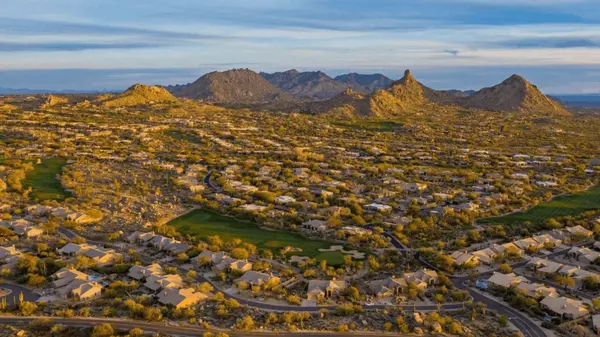
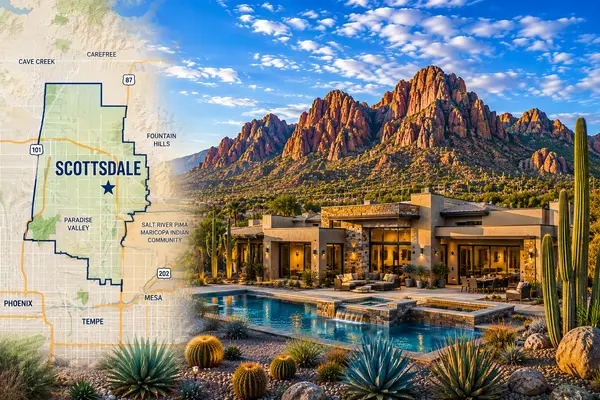
The Right Way to Relocate to Scottsdale, AZ
The Right Way to Relocate to Scottsdale, Arizona Relocating to Scottsdale is about more than finding the right home. The location, neighborhood, lifestyle, commute, amenities, and timing of the move can have a significant impact on the overall experience. One of the most common mistakes relocation b
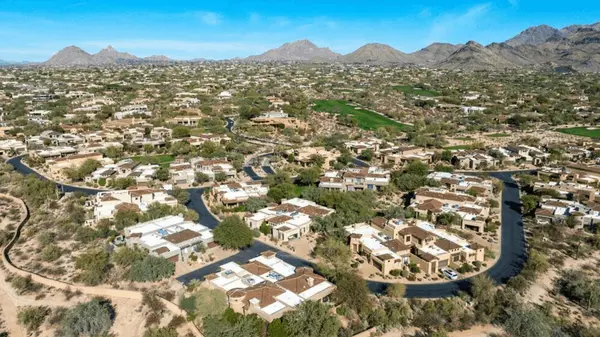
What Does Your Budget Actually Get You in Scottsdale in 2026?
If you’re thinking about buying a home in Scottsdale, one of the biggest questions is simple: “What does my budget actually get me?” And it’s a fair question—because Scottsdale isn’t one-size-fits-all. Your experience can look completely different depending on whether you’re spending $500K, $700K, o
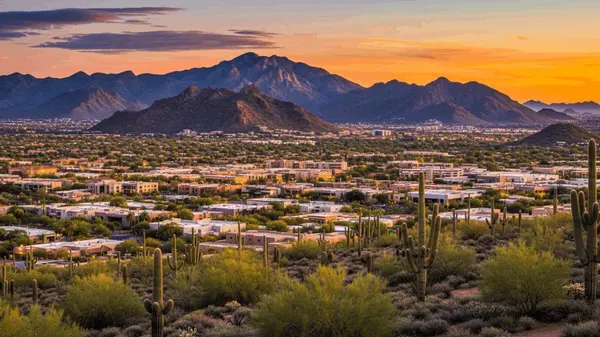
Uncovering the Real Truth of Moving to Scottsdale in 2026
If you’re thinking about moving to Scottsdale, you’ve probably seen the highlight reel—luxury homes, sunny weather, golf courses, and a picture-perfect desert lifestyle. But after helping dozens of families relocate here, there’s something I hear all the time: “I wish someone had told me that before